When Should You Replace Vs. Repair Appliances In Your Central Coast Home?
Table of Contents
- 1. The Real Cost of Repairing an Appliance
- 2. How Age Influences Your Decision
- 3. Frequency & Type of Breakdowns
- 4. Energy Efficiency & Running Costs
- 5. Availability & Cost of Parts
- 6. Performance, Reliability & Safety Considerations
- 7. Understanding the Long-term Value
- 8. Why a Professional Assessment Matters
- Get in Touch
Appliances have a way of failing at the most inconvenient times, usually when you’re mid-cycle, mid-meal or midway through a busy week. When something suddenly stops working, the big question becomes whether to repair it or start planning for a replacement. It’s not always an easy decision. Appliance repairs on the Central Coast can vary widely in cost and small faults can sometimes point to much larger underlying problems. Many homeowners also feel unsure about whether a breakdown is simply a one-off issue or a sign that the appliance is nearing the end of its usable life.
Making the right choice becomes much clearer when you understand the factors that influence performance and longevity. A repair may be simple and affordable, but if the appliance has already outlived its expected lifespan, the same problem may return sooner than expected. On the other hand, appliances that have been well maintained or have only one clear fault may continue to serve you reliably for years after a professional repair. By considering age, efficiency, condition, parts availability and repair history, you can make a confident, informed decision that suits both your household routine and your budget. Below, we explore these key considerations and how they apply across common household appliances.
1. The Real Cost of Repairing an Appliance
When an appliance breaks down, cost is usually the first thing people think about. Repairing is often more affordable than replacing, but this depends on the type of fault, the complexity of the repair and the overall condition of the appliance. A minor repair on a generally reliable appliance can be a worthwhile investment. A major repair on an older appliance, however, may not be as cost-effective.
A repair may be worthwhile when:
- The repair cost is noticeably lower than the cost of a replacement
- The fault relates to a single component rather than a full system failure
- The appliance still has years of practical use left
Professional technicians can identify whether the issue is isolated or symptomatic of broader wear, helping you weigh the immediate repair cost against the likely lifespan remaining.
2. How Age Influences Your Decision
All appliances have expected lifespans. Some last longer than others, but none are designed to run indefinitely. As appliances age, internal components can become less reliable and performance can decline even if the appliance still functions.
You may consider replacement when:
- The appliance has exceeded its typical lifespan
- Newer models offer improved performance or lower running costs
- The appliance has a history of recurring faults
Younger appliances, especially those only a few years old, are often more economical to repair. A repair can restore full functionality and extend the appliance’s life significantly.
3. Frequency & Type of Breakdowns
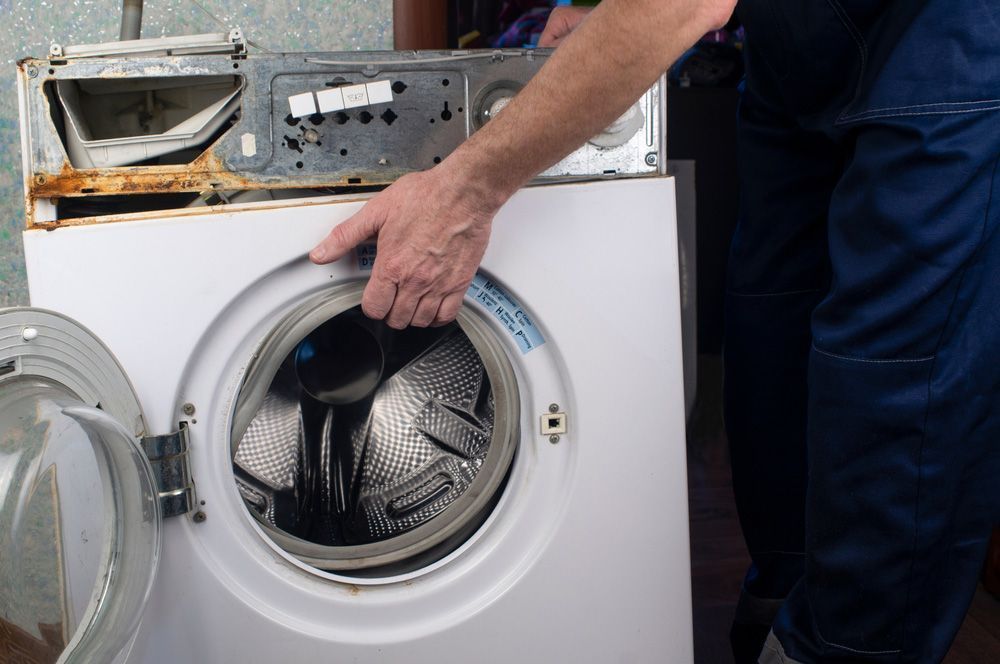
A single fault usually isn’t a cause for concern. Multiple issues in a short period, however, can indicate deeper mechanical or electrical fatigue. The nature of the breakdown also matters—some faults are straightforward, while others point to wear that may be impractical to repair.
A repair is typically suitable when:
- The issue appears to be isolated
- Parts are readily accessible
- The fault involves components that commonly fail & are cost-effective to replace
If breakdowns occur frequently or if the problem involves core components such as motors, compressors or control boards, replacement may be the more sensible long-term option.
4. Energy Efficiency & Running Costs
Energy use is a major factor in deciding whether to repair or replace. Older appliances generally consume more electricity or water, and while a repair can restore their function, it cannot modernise their efficiency. Higher running costs over time may outweigh the saving from repairing an outdated appliance.
Replacement may be worth considering when:
- The appliance contributes to noticeably higher utility bills
- It lacks modern energy-saving design
- Repairing it will not improve its efficiency
That said, newer appliances that are still efficient but experiencing a minor fault are excellent candidates for repair, offering both reliability and cost savings.
5. Availability & Cost of Parts
Some appliances can be repaired easily because parts are affordable and widely available. Others, particularly older or discontinued models, may require parts that are expensive, hard to source or no longer manufactured.
A repair may be practical when:
- Spare parts are cost-effective
- The model is still supported by the manufacturer
- Replacement parts are commonly stocked & easy to install
Replacement becomes more appealing when essential components are unavailable or when the cost of sourcing parts exceeds the practical value of the appliance.
6. Performance, Reliability & Safety Considerations
Performance issues can sometimes be fixed with a simple repair, but ongoing problems may indicate serious internal wear. Safety is equally important—any signs of electrical faults, overheating or unusual odours should be assessed by a professional immediately.
Repairing can restore performance when:
- The fault is contained to one part
- The appliance is structurally sound
- A technician confirms the appliance remains safe to operate
If the appliance poses a safety risk or struggles to perform consistently even after service, replacement may provide a more stable and reliable solution.
7. Understanding the Long-term Value
A repair should offer more than a short-term fix. The most worthwhile repairs extend the appliance’s lifespan, improve performance and reduce the likelihood of further breakdowns. If a repair only offers a temporary solution, replacement may be more practical.
A repair typically provides strong value when:
- The appliance still has several good years of expected use
- The issue can be resolved effectively with one repair
- The appliance is of solid build quality
In contrast, older appliances with significant wear may not justify repeated repairs, especially when the cumulative cost approaches the price of replacement.
8. Why a Professional Assessment Matters
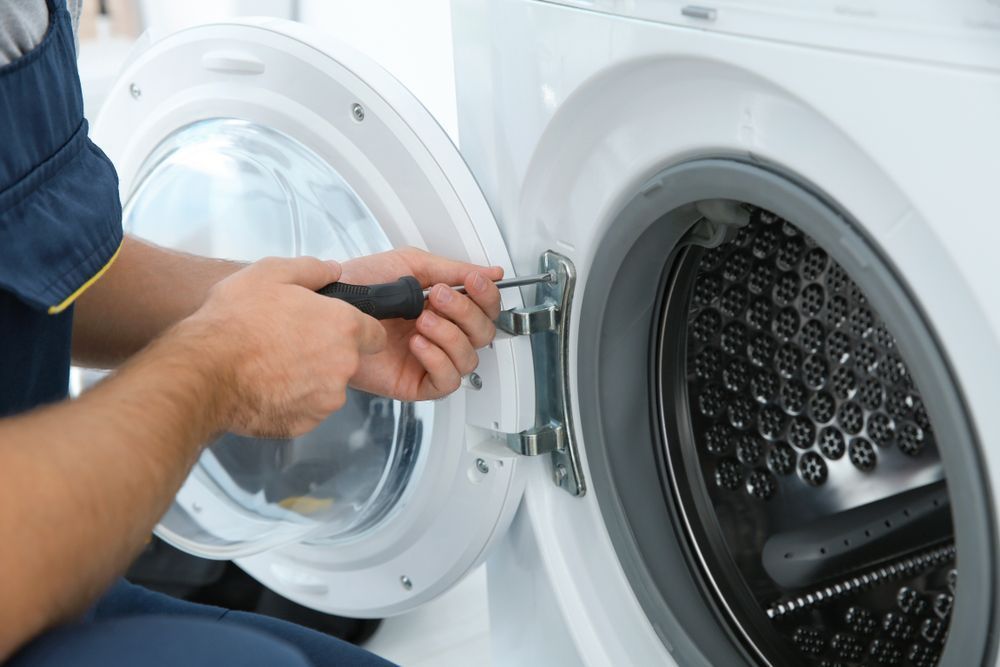
While it can be tempting to diagnose issues yourself, modern appliances are complex, and symptoms can be misleading. A professional assessment ensures the source of the fault is correctly identified, preventing unnecessary spending on repairs that won’t solve the problem.
A professional technician offers:
- Accurate diagnosis using specialised tools & testing methods
- Practical guidance on whether repair or replacement offers better value
- Clear explanations of the appliance’s condition & expected lifespan
- Safe workmanship that protects the appliance & your household
This clarity is invaluable when deciding how to proceed, especially for appliances that are expensive to replace or difficult to troubleshoot without training.
Get in Touch
At Eurocoast Appliance Service, we provide appliance repairs on the Central Coast for homeowners, including Woy Woy, Morisset, Bateau Bay, Wyong and Gosford appliance repairs. If you’re unsure whether your appliance needs repairing or replacing, our technicians can assess the issue, explain your options and give practical recommendations based on the age, condition and safety of the appliance.
Visit our website to book a service or
get in touch for local advice.