How Long Do Home Appliances Last? A Central Coast Lifespan Guide
Table of Contents
- How Long Do Home Appliances Last on Average?
- How Long Do Washing Machines Last?
- How Long Does a Dryer Last?
- How Long Does a Dishwasher Last?
- How Long Does a Fridge Last?
- How Long Do Ovens and Microwaves Last?
- What Shortens Appliance Lifespan (Including Coastal Salt Air)?
- How to Extend the Life of Your Appliances
- Repair or Replace? How to Decide
- Frequently Asked Questions
How long do washing machines last? It's the first question worth asking when yours starts running noisier or slower than it used to. Knowing the answer, and how it compares to other appliances, makes that decision far easier. Every major household appliance has a rough shelf life, and understanding where yours sits against that benchmark helps you know when appliance repairs on the Central Coast are the right call.
How Long Do Home Appliances Last on Average?
If you've ever searched how long do appliances last while trying to work out whether yours needs replacing, the answer varies quite a bit depending on the appliance type. Build quality, usage patterns and maintenance all play a role. Understanding appliance lifespan on the Central Coast gives homeowners a useful benchmark, especially with coastal conditions adding their own wear and tear. On average, most major household appliances last somewhere between 7 and 15 years:
- Washing machines: 10 to 13 years
- Dryers: 10 to 13 years
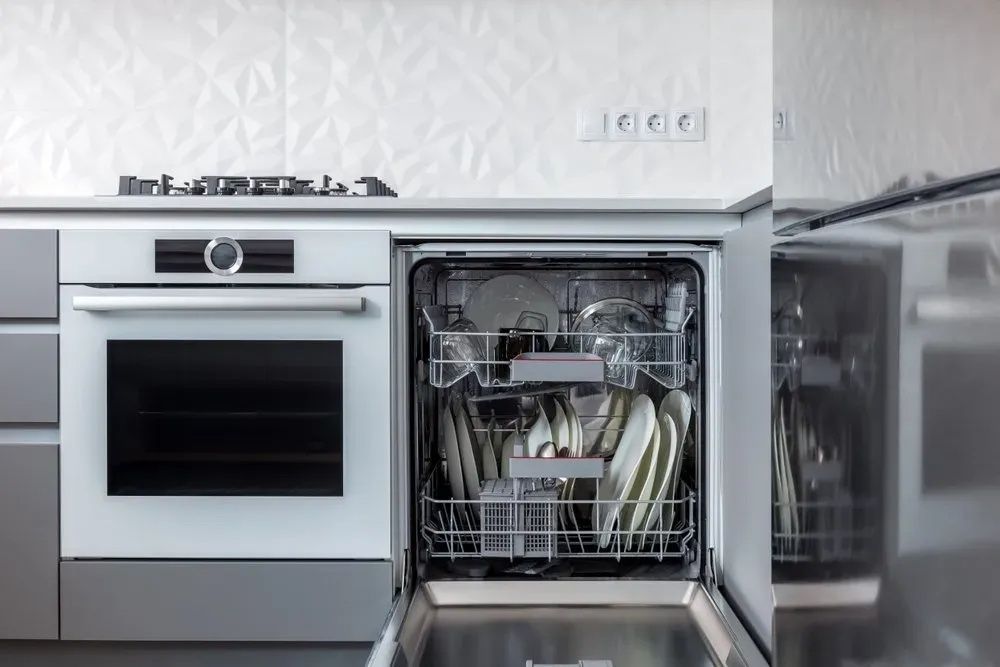
- Dishwashers: 9 to 12 years
- Fridges: 10 to 15 years
- Ovens: 13 to 15 years
- Microwaves: 7 to 10 years
Knowing these general timeframes gives you a useful reference point. If your washing machine is 12 years old and starting to play up, that's a different conversation to a 3-year-old model with the same issue. Timely
appliance repairs on the Central Coast can often extend an appliance's working life well past these averages, particularly when problems are caught early rather than left to worsen.
How Long Do Washing Machines Last?
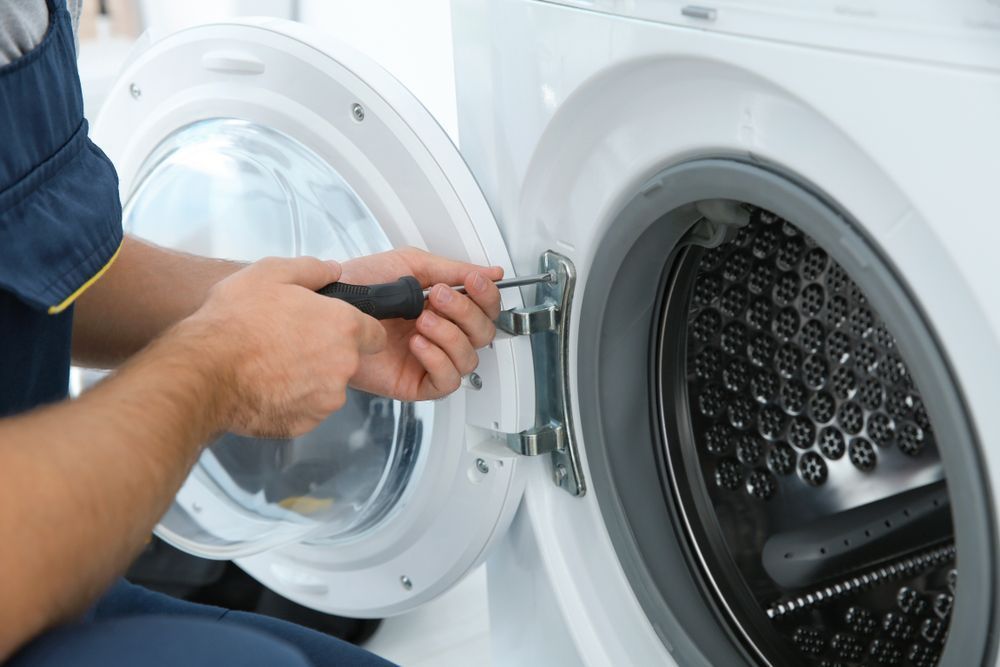
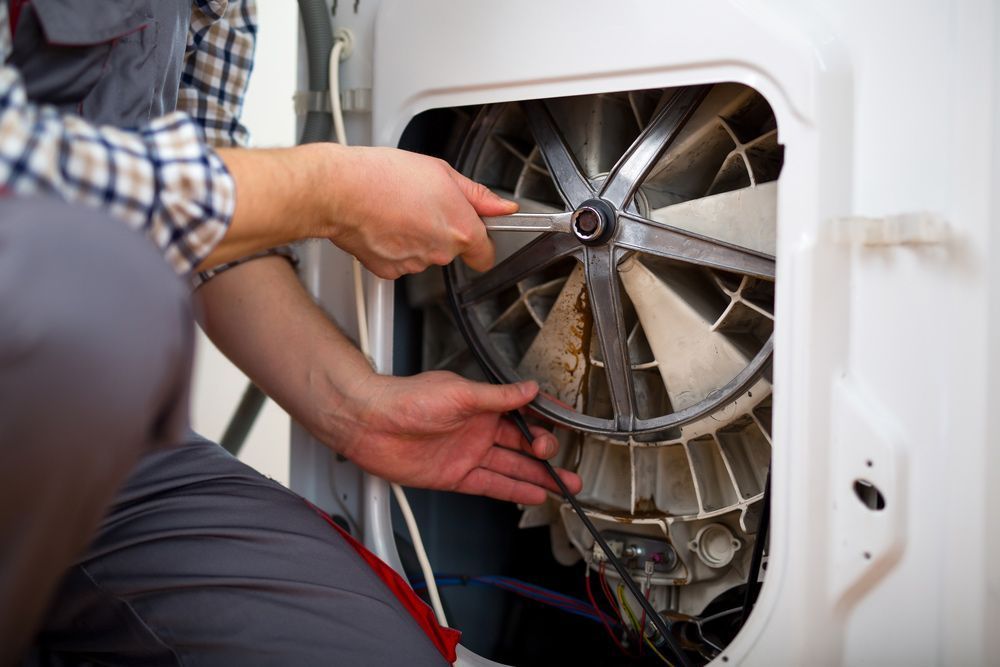
A well-maintained washing machine should last around 10 to 13 years on average. Front loaders and top loaders both fall within this range, though the difference often comes down to load habits and water quality rather than machine type.
Common factors that shorten a washing machine's lifespan include:
- Overloading the drum: Puts extra strain on the motor and bearings over time.
- Excessive detergent use: Can leave residue that affects internal components and seals.
- Ignoring early warning signs: Unusual noises or vibration often signal a fixable issue that worsens if left unattended.
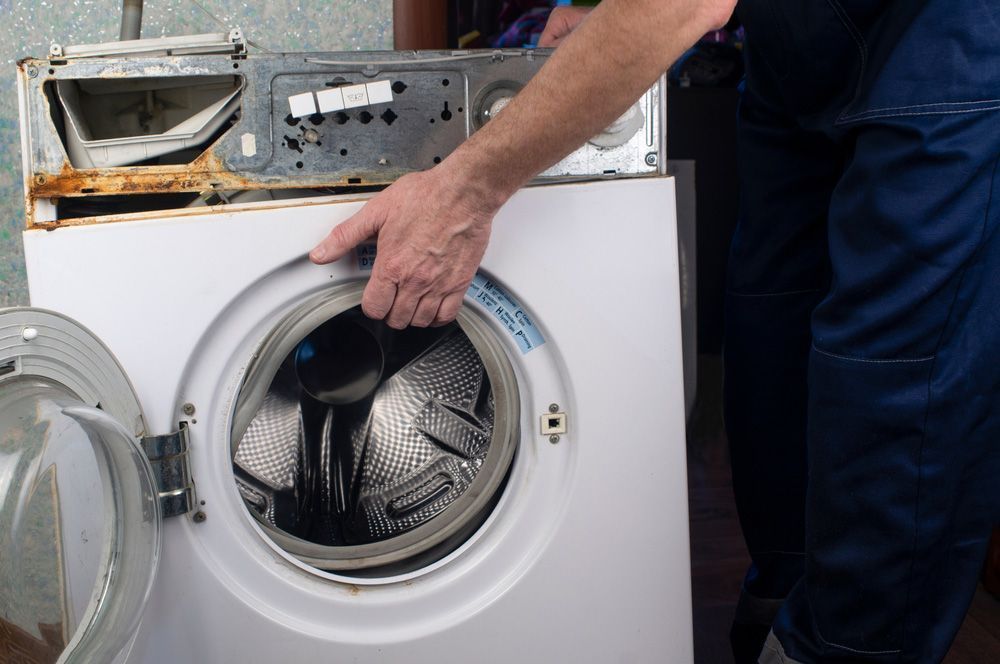
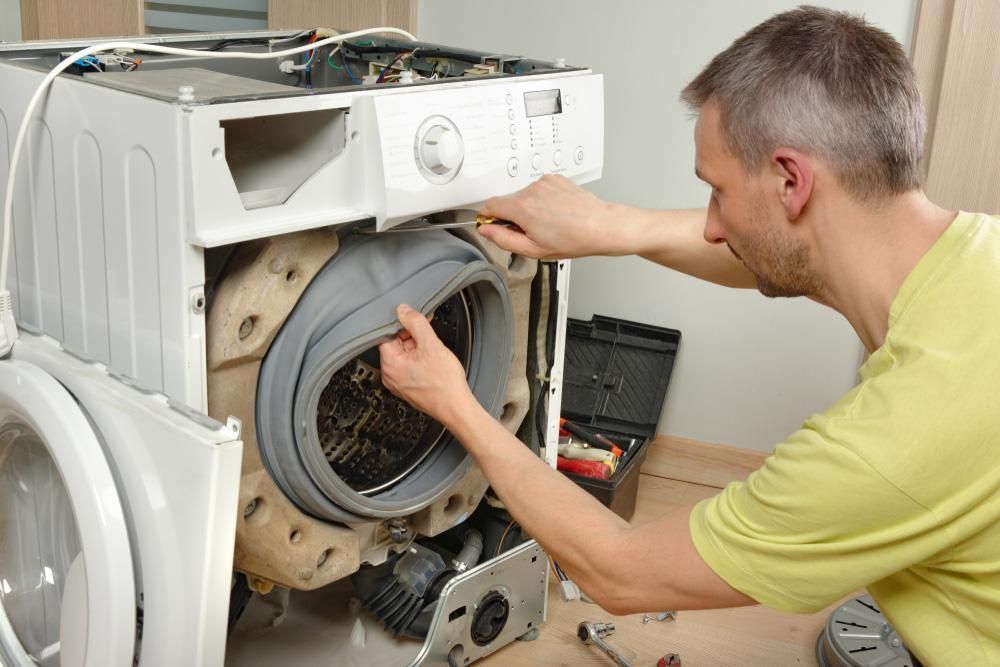
If your washing machine is within its expected lifespan but has developed a fault, repair is usually the smarter option. A machine that's struggling with drainage, spinning or unusual vibration doesn't necessarily need replacing.
Washing machine repairs on the Central Coast can often resolve these issues quickly and affordably, especially when the underlying mechanics are otherwise sound.
How Long Does a Dryer Last?
Dryers typically last around 10 to 13 years, though heat exposure and lint build-up mean they often show wear sooner than other appliances. Vented dryers and heat pump models both have similar expected lifespans, but heat pump dryers tend to run at lower temperatures, which can reduce strain on internal components over time.
A few habits make a real difference to how long a dryer lasts:
- Clean the lint filter after every load: Blocked filters force the machine to work harder and run hotter.
- Ensure proper ventilation: Restricted airflow increases strain on the motor and heating element.
- Avoid overloading: Overpacking the drum reduces airflow and extends drying time unnecessarily.
A dryer that's constantly overworking to compensate for blocked airflow will burn through its lifespan faster than one that's given proper airflow and regular upkeep.
How Long Does a Dishwasher Last?
Most dishwashers last between 9 and 12 years, with water quality and usage frequency playing a big role in that range. Hard water areas can accelerate limescale build-up on heating elements and spray arms, which puts extra strain on the machine over time.
To help your dishwasher reach its full lifespan:
- Descale regularly: Particularly important in hard water areas to protect heating elements.
- Check door seals for wear: Worn seals can lead to leaks and reduced efficiency.
- Avoid daily overuse where possible: Frequent cycles add up faster than occasional use, shortening the appliance's working life.
Dishwashers that run daily tend to wear faster than those used a few times a week, simply due to the added cycles.
How Long Does a Fridge Last?
Fridges typically last 10 to 15 years, making them one of the longer-lasting appliances in most homes. Compressors and door seals are usually the first components to show age, particularly in older models that have been running continuously for well over a decade.
Coastal conditions can add an extra layer of wear, including:
- Corrosion on external components: Salt-laden air can gradually affect metal surfaces and fittings.
- Door seal degradation: Higher humidity levels can speed up wear on rubber seals over time.
- Reduced compressor efficiency: Extra strain from environmental factors can shorten the compressor's working life.
This is worth keeping in mind if your fridge is positioned near an exterior wall or outdoor area.
Fridge repairs on the Central Coast are a common and often cost-effective way to address these issues before a full replacement becomes necessary.
How Long Do Ovens and Microwaves Last?
Ovens generally last 13 to 15 years, making them one of the more durable appliances in the average kitchen. Cooktops and rangehoods paired with ovens often share a similar lifespan, provided they're cleaned regularly and not subjected to excessive grease build-up.
Microwaves have a noticeably shorter lifespan by comparison, typically lasting around 7 to 10 years. Common causes of early failure include:
- Frequent daily use: Higher usage naturally accelerates wear on internal components.
- Power surges: Electrical fluctuations can damage sensitive electronic parts.
- Door seal wear: A worn door seal often leads to uneven heating or safety issues.
A microwave that's struggling to heat evenly or making unusual noises is often nearing the end of its useful life, though a professional assessment can confirm whether a repair is still worthwhile.
What Shortens Appliance Lifespan (Including Coastal Salt Air)?
Most of the common wear factors, overloading, hard water and skipped cleaning, are covered in the sections above. For Central Coast homes specifically, salt air and humidity add another layer worth watching. These conditions can gradually corrode external metal components, weaken door seals and affect electrical connections, especially in appliances near windows, outdoor laundries or coastal-facing walls.
This doesn't mean coastal living is a losing battle for your appliances, but it does mean a slightly closer eye on maintenance can go a long way.
How to Extend the Life of Your Appliances
Simple, consistent habits make the biggest difference to appliance longevity. If you want to extend appliance life across your whole household, here's what helps most:
- Clean filters and seals regularly: Lint filters, dishwasher filters and fridge door seals all benefit from routine attention to prevent build-up and wear.
- Avoid overloading: Washing machines and dryers wear out faster when consistently pushed beyond their recommended capacity.
- Descale where needed: Dishwashers and kettles in hard water areas benefit from regular descaling to protect heating elements.
- Check ventilation: Dryers and ovens both rely on proper airflow, so blocked vents or restricted spacing can shorten their working life.
- Book periodic servicing: A professional check-up can catch minor issues before they turn into costly repairs or premature breakdowns.
Small maintenance habits, done consistently, often add years to an appliance's working life without much extra effort.
Repair or Replace? How to Decide
When an appliance starts acting up, the age of the unit and the cost of repair are usually the two biggest factors in deciding what to do next. As a general guide:
- Repair is usually the smarter choice when: The appliance is within its expected lifespan and the repair cost is less than half the price of a new equivalent.
- Replacement may offer better value when: The appliance is nearing or past its average lifespan, especially with recurring issues.
- Energy efficiency matters too: A 15-year-old fridge might still be running, but newer models are often significantly more efficient, which can offset the upfront cost of replacement over time.
If you searched how long do washing machines last because yours is already on its way out, that comparison alone often settles the repair or replace question.
Whatever stage your appliance is at, it's worth getting an expert opinion before deciding either way. The team at Eurocoast Appliance Service can take a look and offer honest advice on the best path forward, whether that's a repair or a replacement. Get in touch today to arrange a visit or ask a question.
Frequently Asked Questions
How long do washing machines typically last?
Most washing machines last around 10 to 13 years with regular care and sensible load habits. Front and top loaders share a similar lifespan, though overloading and heavy detergent use can shorten it considerably.
Do coastal conditions really affect appliance lifespan?
Yes, salt air and higher humidity can accelerate corrosion on external components and door seals. This is particularly noticeable in appliances positioned near windows, outdoor laundries or coastal-facing walls.
Is it better to repair or replace an old appliance?
If the appliance is within its expected lifespan and repair costs less than half the price of a new unit, repair is usually the smarter choice. Once an appliance is well past its average lifespan, replacement often makes more financial sense.
How often should appliances be serviced to extend their life?
Periodic servicing, ideally once a year for high-use appliances, helps catch minor issues before they become costly repairs. Regular cleaning of filters, seals and coils between services also plays a big part in extending appliance life.